
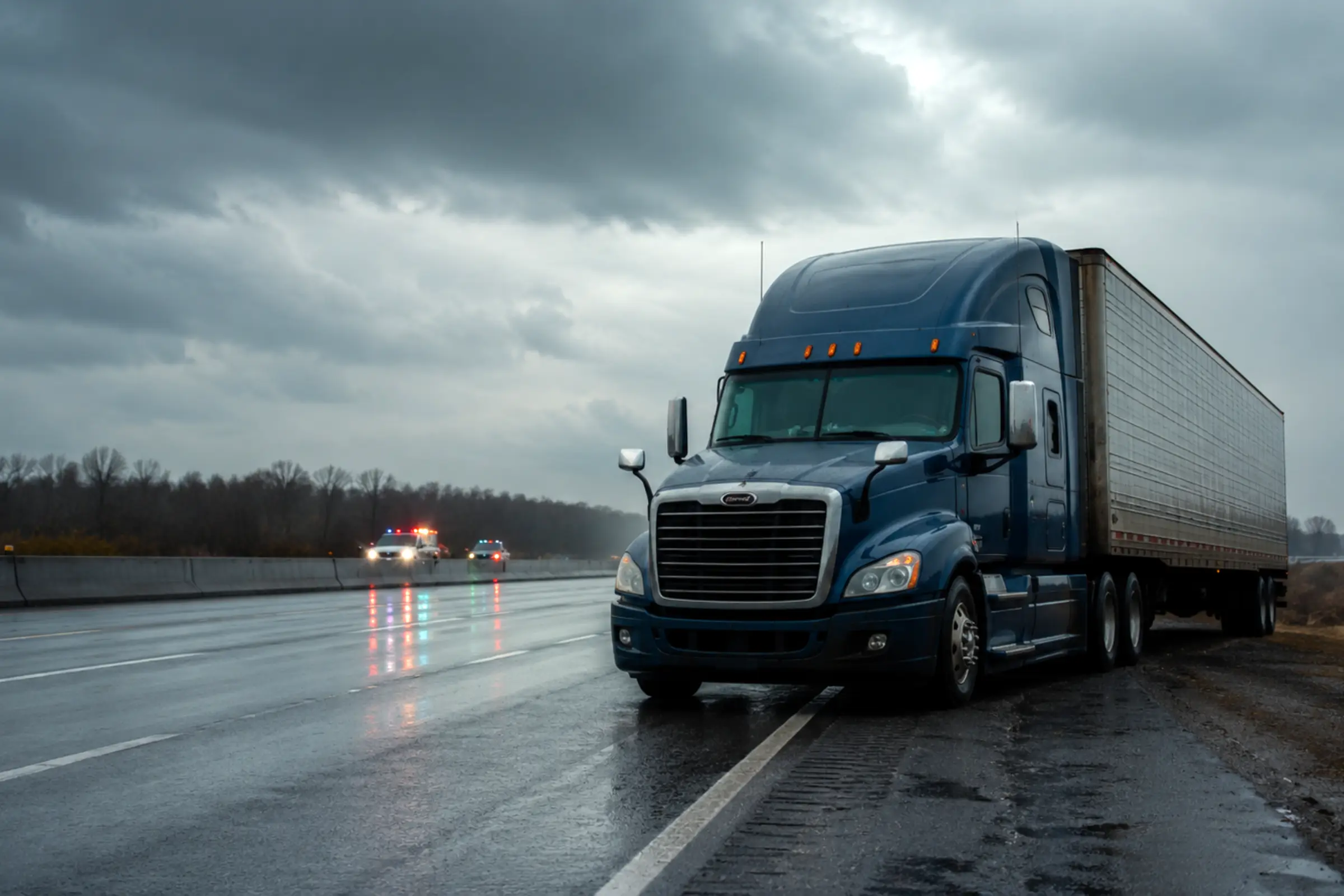
Truck cases are not big car cases
Commercial trucking is governed by an entire body of federal law — the Federal Motor Carrier Safety Regulations — covering driver hours of service, drug and alcohol testing, vehicle inspection and maintenance, cargo securement, and driver qualification. Most truck crashes involve violations of these rules. Finding them requires knowing where to look:
- Electronic logging device (ELD) data and hours-of-service records — was the driver over hours or fatigued?
- Engine control module ("black box") data — speed, braking, and throttle in the seconds before impact
- Driver qualification and safety files — prior violations, failed tests, negligent hiring and retention
- Maintenance and inspection records — brakes, tires, and lights are chronic violation areas
- Dispatch and broker records — unrealistic schedules that pressure drivers to speed
This evidence is in the trucking company's hands, and much of it can be legally destroyed on a schedule unless a spoliation/preservation letter goes out immediately. That is why the first days after a truck crash matter so much.
Why hire Schneller Law Group for a truck case
Schneller Law Group brings Gerry Schneller's 35 years of trial experience to serious trucking cases against large, well-defended corporations — including railroads, barge lines, and motor carriers. The firm has handled cases involving permanent injuries, commercial vehicle collisions, and complex corporate defendants. Trucking insurers track which lawyers prepare cases for trial; that reputation is what moves offers.
Before you talk to the trucking company's insurer, talk to a lawyer. The call is free, and the insurer's first offer is almost never their best.
Call (314) 202-6070 NowCompensation in a Missouri or Illinois truck injury case
Damages can include all medical care (past and future), lost wages and earning capacity, pain and suffering, disfigurement, and — where a loved one was killed — wrongful death damages. Commercial policies are far larger than personal auto policies, and multiple defendants (carrier, driver, broker, shipper, maintenance contractor) may share responsibility.