
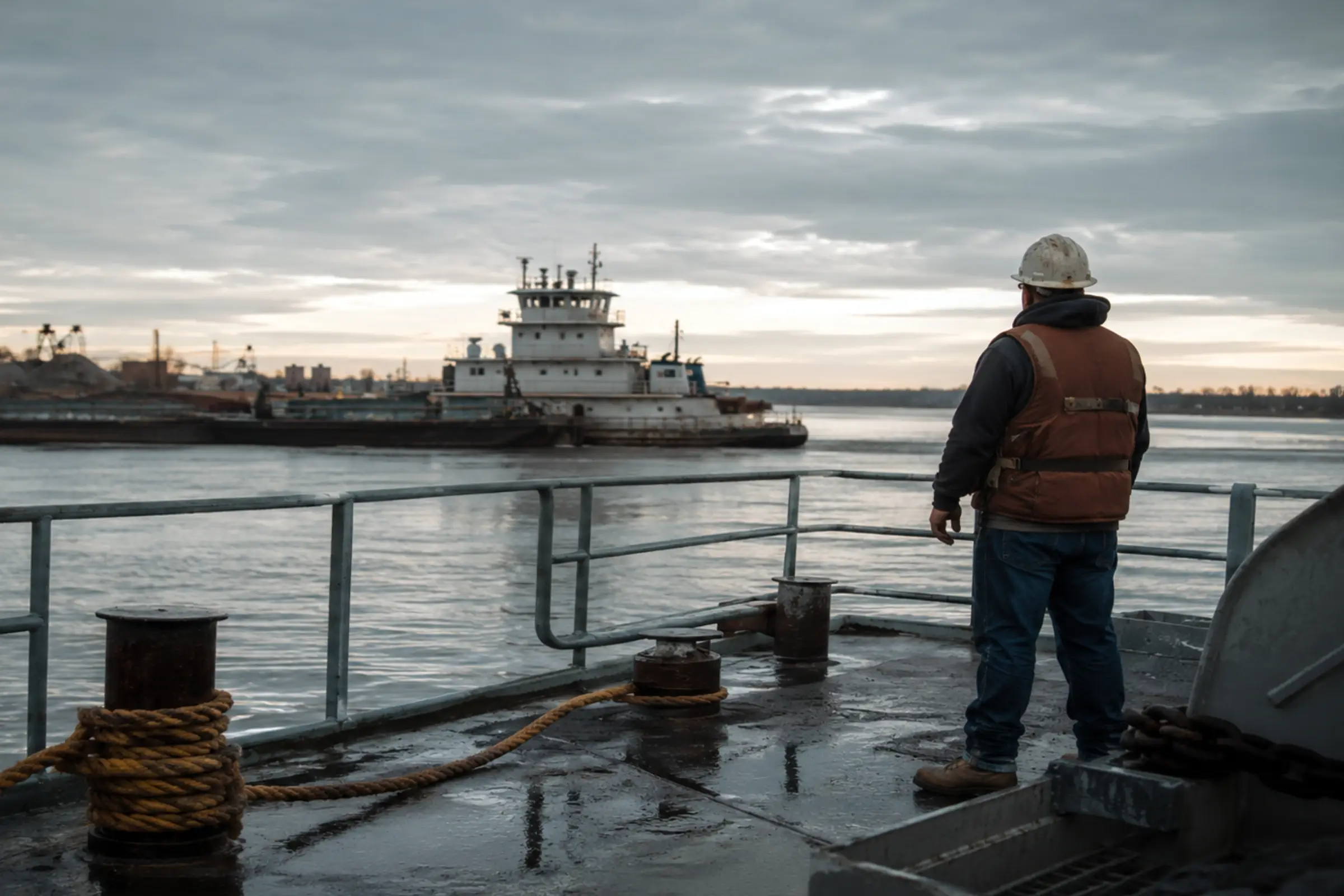
Injured on the river? The Jones Act protects you.
Deckhands, mates, pilots, engineers, cooks, and other crew members of vessels in navigation are seamen under the Jones Act (Merchant Marine Act of 1920) and general maritime law. That status carries three powerful claims:
- Jones Act negligence — the vessel owner is liable if its negligence played any part, however slight, in your injury
- Unseaworthiness — a strict-liability claim when any part of the vessel, its equipment, or its crew was not reasonably fit for its purpose
- Maintenance and cure — daily living expenses and medical care the company owes you while you recover, regardless of fault
Barge lines and their insurers understand these claims very well — which is why they work quickly to control the medical care, take statements, and settle cheap before an injured crew member learns what the case is actually worth.
A record on the water few lawyers can match
The firm's maritime experience is anchored by Gerry Schneller, who helped obtain a $35,000,000 judgment — among the largest maritime judgments of all time — for a union laborer who suffered a traumatic brain injury on a bridge project. His case history also includes a $4 million confidential settlement for a river worker with permanent injuries, $3.5 million for a Jones Act engineer, and recoveries for deckhands injured in barge breakaways and collisions. Gerry is a member of the AAJ Admiralty/Jones Act Litigation Group.
Inland waterway cases the firm reviews
- Towboat and barge crew injuries — line-handling, rigging, winch and capstan accidents
- Falls on wet, oily, or cluttered decks; falls between barges
- Barge breakaways and fleet accidents
- Crush injuries during lockage and tow building
- Inadequate crewing, training, or vessel maintenance
- Harbor workers and longshoremen (LHWCA claims)
Maintenance and cure is your right, not a favor. If the company is pressuring you to treat with its doctors or to come back before you're ready, talk to a maritime lawyer first — for free.
Call (314) 202-6070 Now