
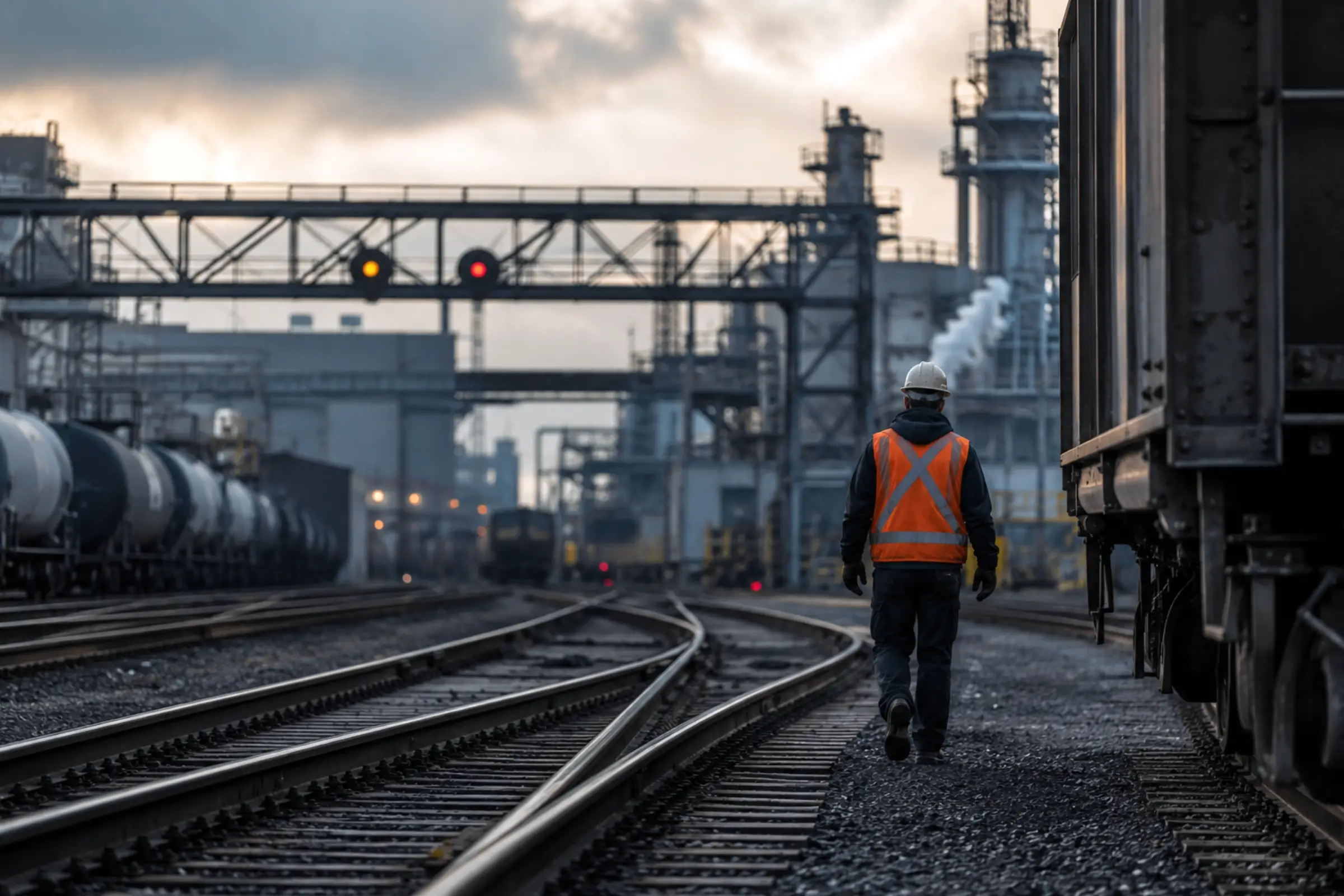
Injured on the railroad? You have rights most workers don't.
The Federal Employers' Liability Act (FELA) has protected railroad workers since 1908. Unlike state workers' compensation, FELA lets an injured railroader recover full damages — past and future lost wages, medical expenses, and pain and suffering. The trade-off: you must prove the railroad's negligence played a part, even a small part, in causing your injury.
That's exactly why the railroad's claims department moves so fast after an injury. Claims agents show up at the hospital. Supervisors push for recorded statements. Forms appear that seem routine but are built to protect the company. The railroad starts working on its defense the day you get hurt — you should have someone working for you just as quickly.
Why railroad workers choose Schneller Law Group
The firm's FELA practice is led by Gerry Schneller, who has represented injured railroad workers since 1995 from every craft — conductors, engineers, trainmen, carmen, machinists, signal maintainers, and track laborers — against every Class I railroad in the country, as well as numerous short lines. Gerry is a member of the American Association for Justice's FELA Litigation Group and has handled railroad cases in more than 20 states.
Common FELA claims the firm reviews
- Railyard and switching injuries — defective switches, poor lighting, debris and walkway hazards, crew negligence
- Defective equipment — violations of the Locomotive Inspection Act and Safety Appliance Act, which can make the railroad strictly liable
- Grade-crossing and derailment injuries to crew members
- Cumulative trauma — knee, back, shoulder, and joint injuries from years of work on ballast and defective equipment
- Inadequate training, crew size, or maintenance
Do not give a recorded statement or sign anything from the claims department before talking to a FELA lawyer. The consultation is free, and what you say to a claims agent can follow your case for years.
Call (314) 202-6070 NowWhat your FELA case may be worth
FELA damages can include lost wages and benefits, diminished future earning capacity, all medical costs, and compensation for pain, suffering, and disability. Because juries — not a state comp schedule — decide damages, well-prepared FELA cases routinely resolve for many times what a comparable workers' comp claim would pay. The key phrase is well-prepared: railroads pay full value only when they believe the lawyer across the table will actually try the case. Schneller Law Group's trial approach is grounded in Gerry Schneller's courtroom experience, beginning with his work as a federal prosecutor.